
 04
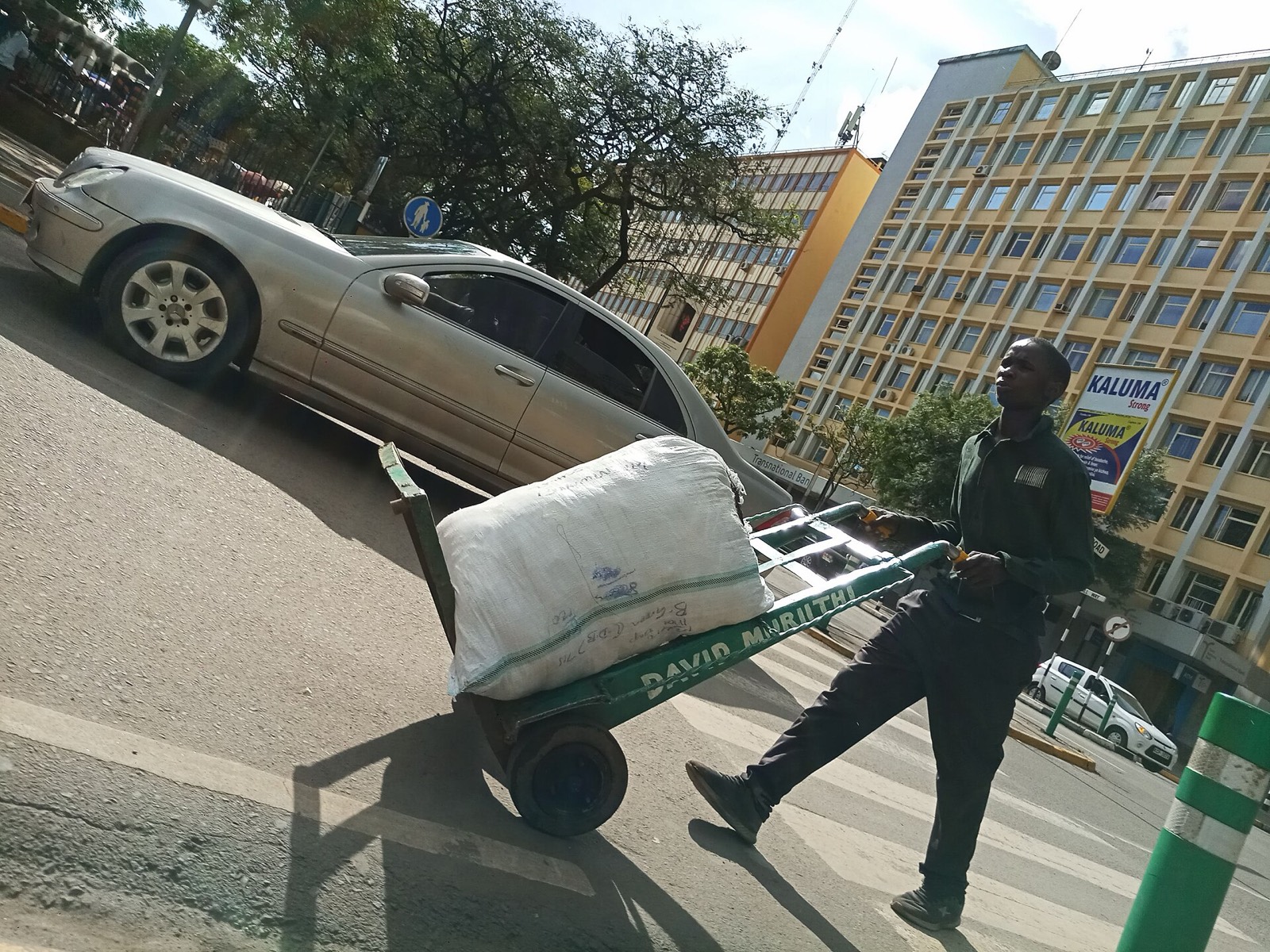
Nairobi · Jimmy Jimmy / Pexels
They pay
Residents
A photo for every pickup, nothing to pay for a missed one. 17 of 30 would sign up.
ICS 4206 · Presentation 2 · Business Model Canvas
taka (Swahili) · rubbish, garbage
Garbage pickups you can see, and only pay for when they happen.
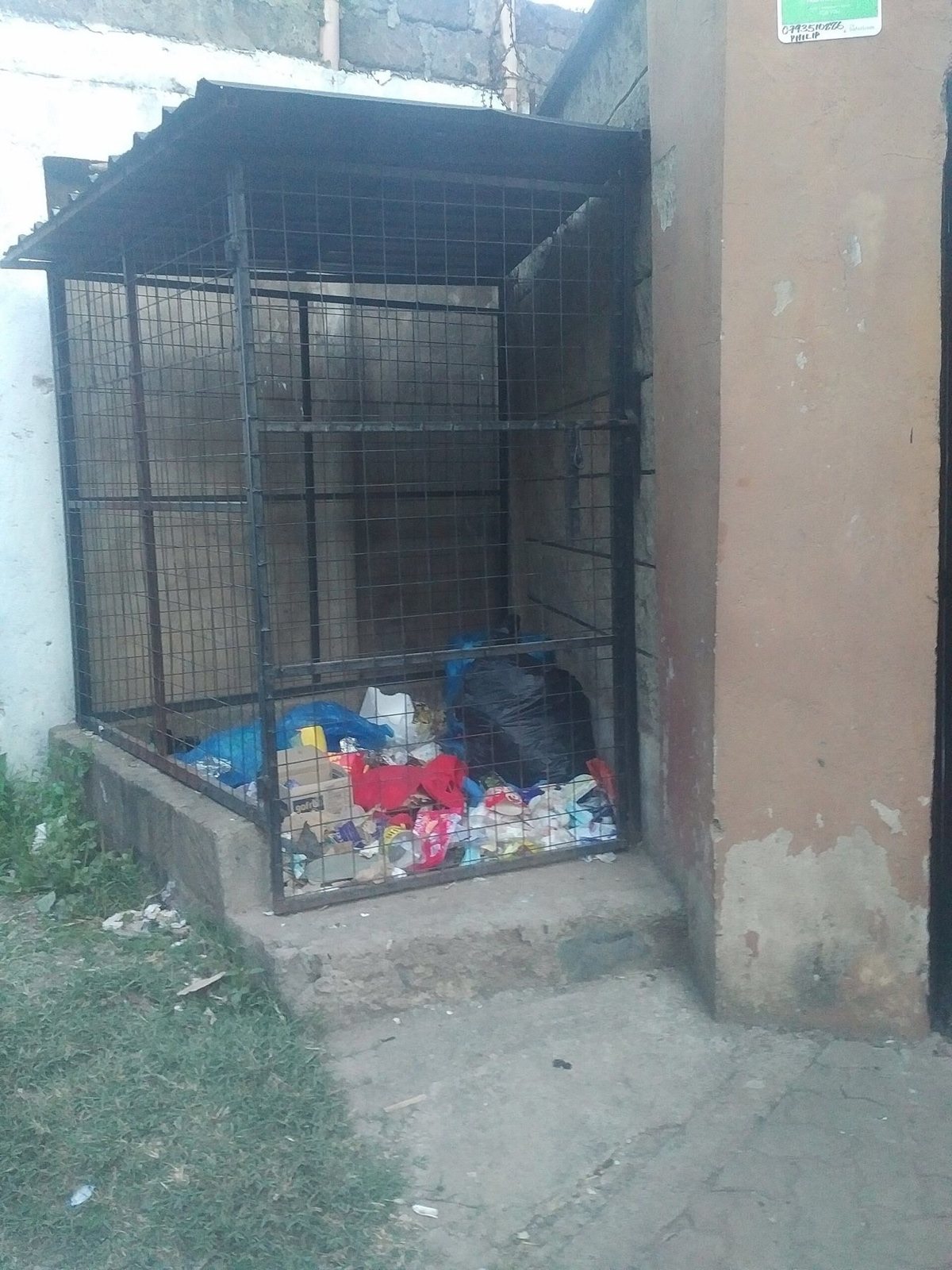
The problem · Nairobi
2,400t
of waste a day in Nairobi
33%
of it formally collected, the lowest of any county
The rest waits in cages like this one. When a pickup is missed, nobody can prove it.
Sources: NEMA · KNBS Economic Survey 2026
A building’s garbage cage, Nairobi
What we heard · · five buildings, 20–24 Oct
—
residents answered “Not sure” when asked if a pickup was missed last month
would pay for pickups they can confirm, median a pickup
had a pickup missed last month, most of them twice
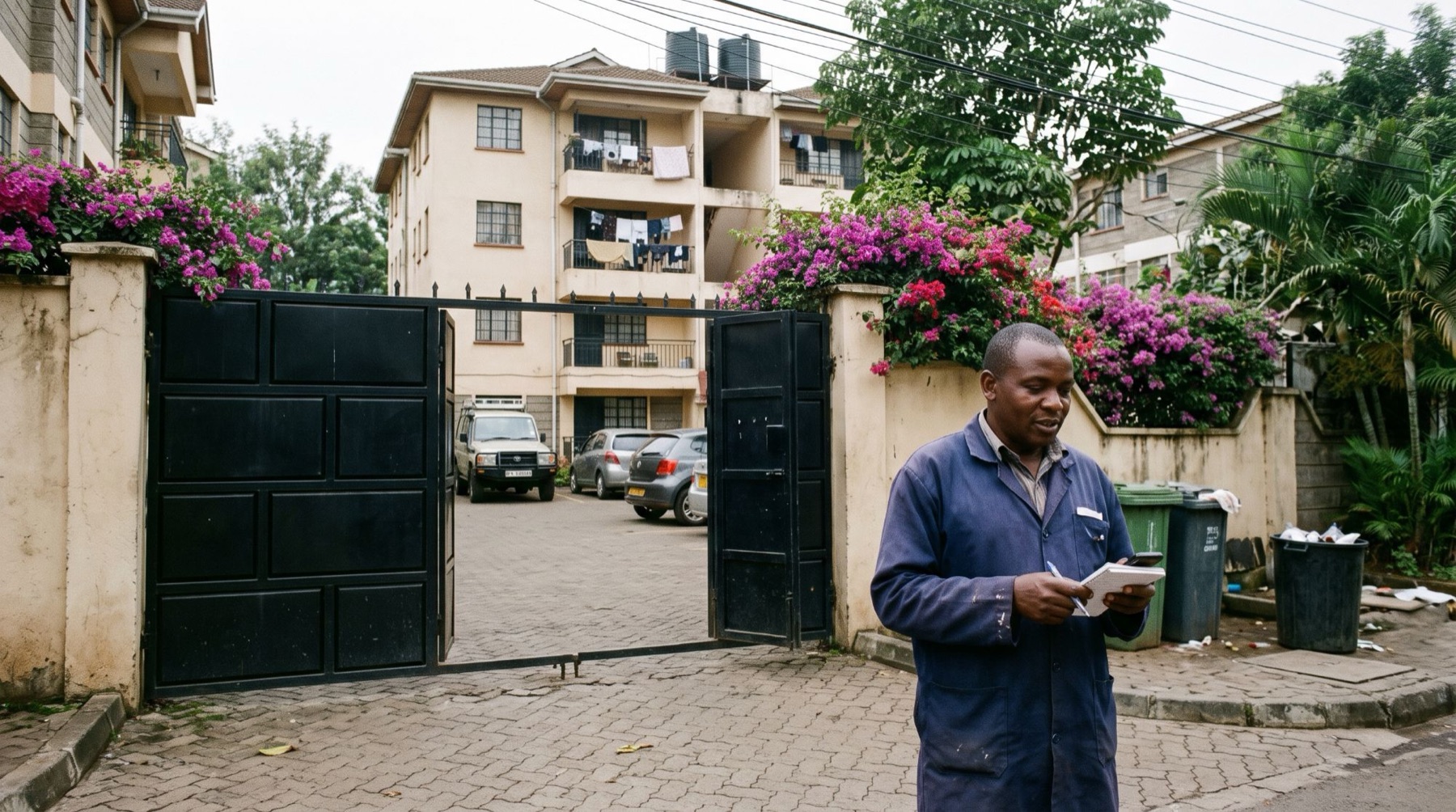
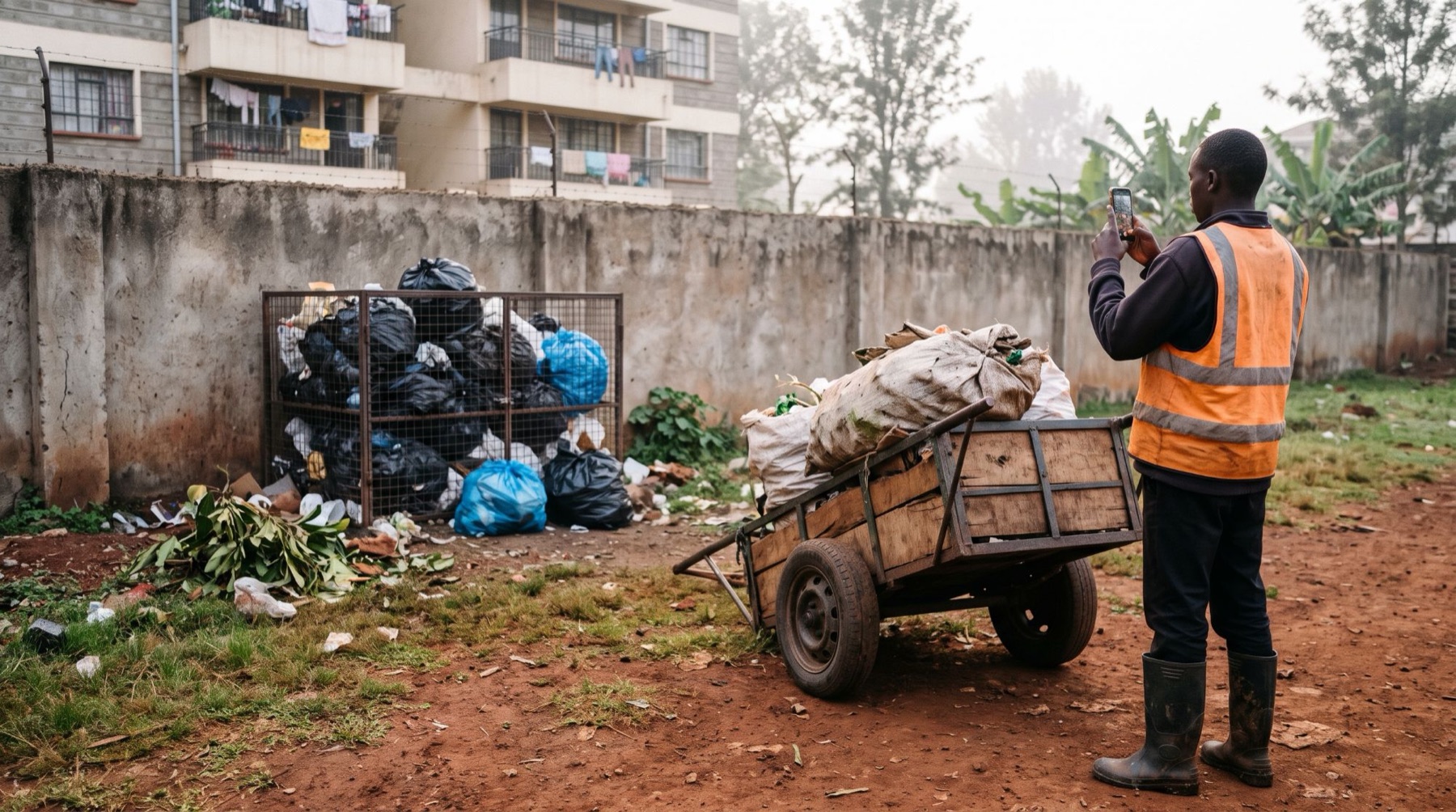
AI illustration
Work phase · Human-Centred Design · 17–25 Oct
Presentation 1: “Garbage collection in apartment blocks is unreliable.”
Now: residents can’t tell whether a pickup happened, so nobody is held to account. 6 of 30 weren’t sure, 18 of 30 had one missed, and 9 of 30 pay for it inside their rent.

A clickable mock-up of the resident, collector and caretaker screens (next slide), and the WhatsApp “collected” message.
17 yes · 8 maybe · 5 no to signing up
So we changed: price at the KSh 60 median; landlords pay where the fee is in the rent.
Blocks 1 and 2 · Customer segments and value propositions
Know when it was collected. Only pay when it was.
04Nairobi · Jimmy Jimmy / Pexels
A photo for every pickup, nothing to pay for a missed one. 17 of 30 would sign up.
04AAI illustration
Proof to show the landlord: 2 of 2 want it. Where the fee sits in rent (9 of 30), the landlord pays.
 05
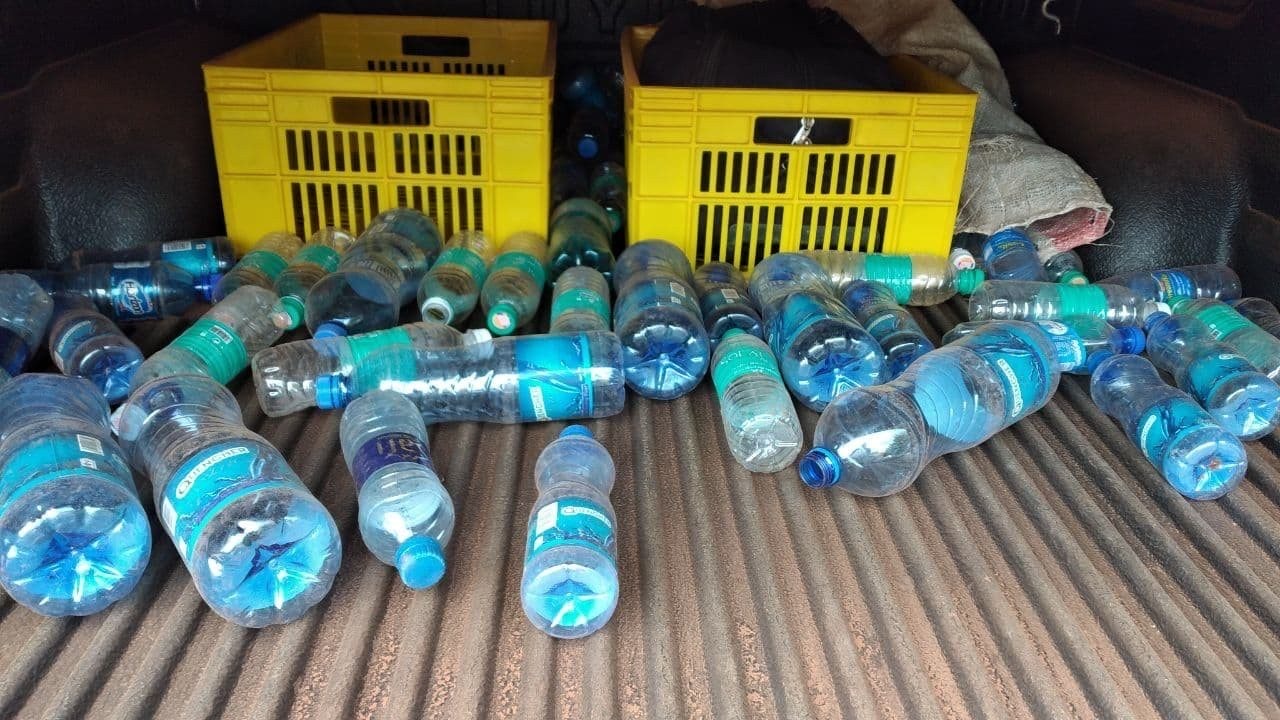
Kenya · Emma Photography / Pexels
Sorted plastic and paper, week after week. 16 of 30 would sort, so this is phase 2.
Wireframe → design
→ or Next plays the next screen
Garbage pickups you can see.
Pay only for the ones that happen.
Phone number · M-Pesa
Code sent by SMS

Last pickup
 TUE 10 NOV · 07:35 ✓
November
Paid so farKSh 120

Tuesday 24 November
7:05TakaTracknow
Your collector is at Block CBags out? Otieno is at the gate.
Stops
 07:12 · BLOCK C · GPS ✓
PICKUP PHOTO
07:12 · BLOCK C · GPS ✓M-PESA
Pay KSh 60.00 to TAKATRACK for today’s pickup?
Account C4-24NOV
Enter M-PESA PIN
3 pickups paidKSh 180
What happened on Tue 17?
Bags weren’t collected Collected late ReportProof, week by week
3 NOV10 NOV24 NOVFlats paying24 of 40
Missed pickups reported1
Collected this monthKSh 4,320
Blocks 3 and 4 · Channels and customer relationships
We knock on the door. The caretaker brings the building in.

24 of 30 residents are already in their building’s group.
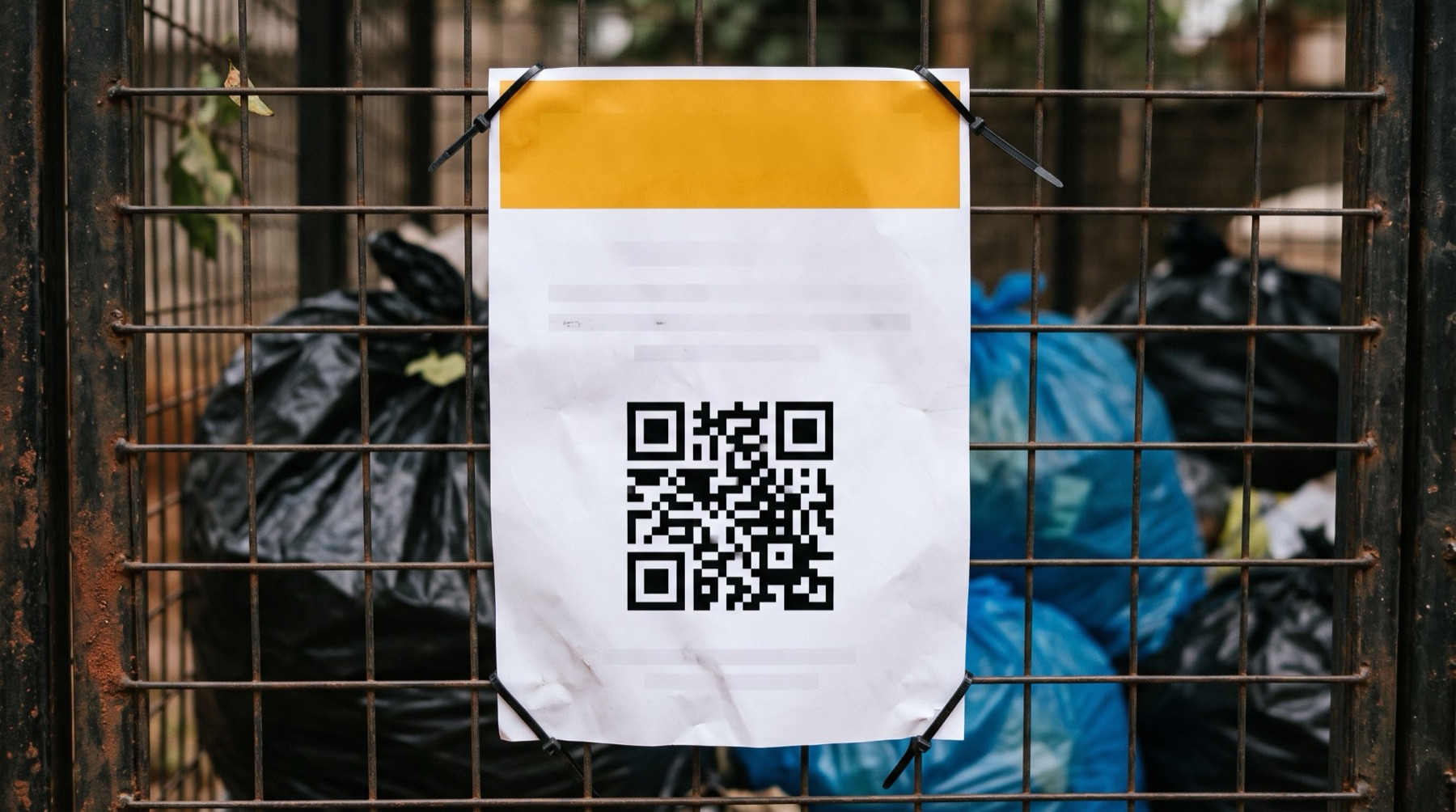
A number or QR code right where the garbage goes.
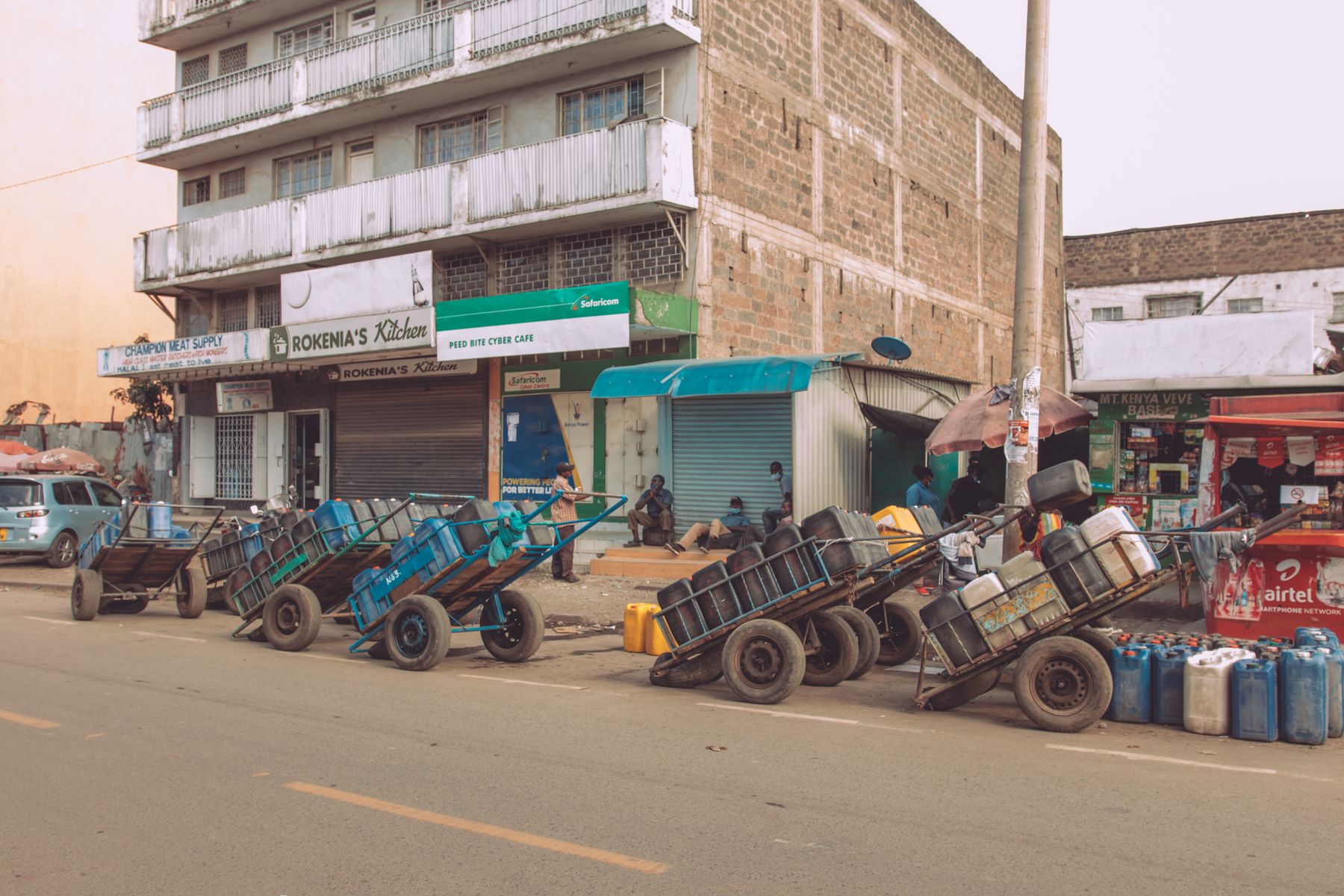
Each collector brings the buildings he already serves.
AutomatedA reminder the night before, a photo when it’s done.
PersonalOne contact per building. When a pickup was missed, 3 of 30 told the caretaker, 3 called the collector.
CommunityEveryone sees the same updates. 5 of 30 already complain in the group.
Blocks 5 and 9 · Revenue streams and cost structure

KSh
The median top price from 25 residents. Paid by M-Pesa only after a confirmed pickup.
%
The partner collector keeps the rest.
KSh
Phase 2. Only 16 of 30 would sort.
Collector payoutsKSh 48 of every 60, only for done pickups. Assumption: collectors not yet interviewed.
M-Pesa and SMSCharges on each payment and reminder.
Bags and storageSorting bags, one storage point.
Outreach, licencesPosters, transport, county permits.
We pay collectors per pickup, so a missed pickup costs us nothing.
Unit economics · one building, one month
KSh0
Chetan Mahajan / Wikimedia, CC BY 3.0
The filled-out Business Model Canvas
Tap a block to open its slide
Presentation 1 → Presentation 2
Team reflection · our ability to execute
We can build the reminders, photo check-ins and pickup records ourselves.
One building with one collector, yes. Ten buildings, not yet.
Little cash to pay collectors before the first fees come in.
None of us has managed collectors or sold recyclables.
Our biggest gap
We are stronger at the software than at running collectors.
How we’d close it
photo by 9 amflats payingdisputedrecyclables a week (est.)
Team reflection · if we restarted today
The whole model depends on them.
Saying you would pay is not the same as paying.
Get one right before thinking about more.
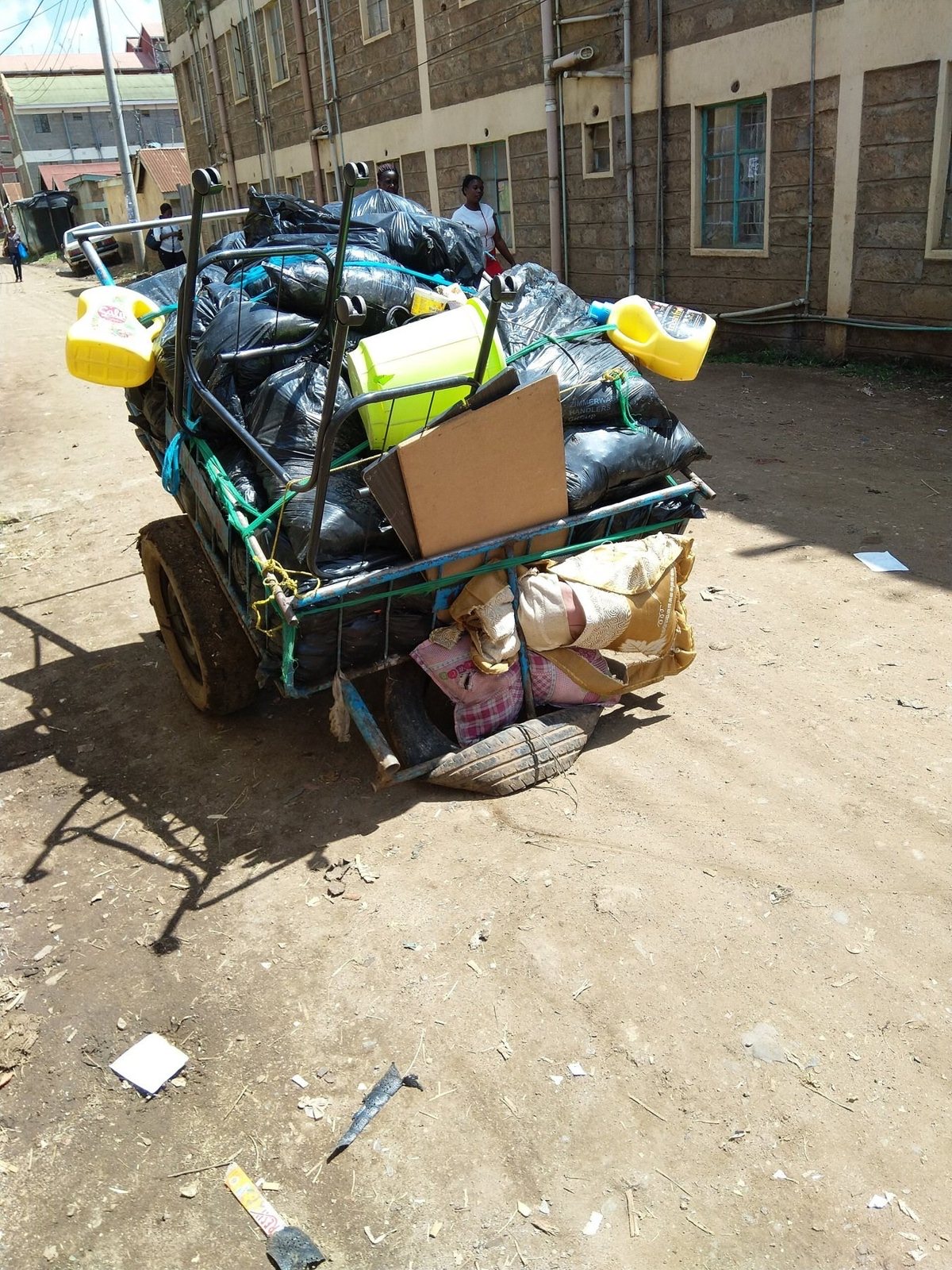
Nairobi · Nicholas Githiri / Pexels

Who did what · Lean Canvas to final model
| Member | Adm. no. | What they did | Presents |
|---|
Questions? ·
Photos: our original deck (cage, cart, bottles, Dandora) · Chetan Mahajan, Wikimedia Commons, CC BY 3.0 · MarkDenver Karubiu and Samueljumah, Wikimedia Commons, CC BY-SA 4.0 · Pexels: Derrick Wandera, Jimmy Jimmy, Jane Moshi, Nicholas Githiri, Emma Photography, Alvin Demule, Youngafrikanna. Images marked “AI illustration” were generated for this deck.